
Floors Built for Daily Life and Kansas Weather
Flooring in Lawrence and surrounding areas for homes adapting to humidity shifts and temperature changes
Kansas humidity swings and seasonal temperature changes affect how flooring materials perform over time, particularly in older homes without climate control in every room. Prochaska Construction LLC installs LVP and tile flooring designed to handle these conditions as part of complete remodeling projects in Lawrence and surrounding areas. You get flooring that coordinates with other construction work happening in your home, which means transitions align properly, subfloor issues get addressed before installation, and the finished result looks intentional rather than pieced together.
LVP and tile both resist moisture and adapt to temperature fluctuations better than traditional hardwood, which makes them practical choices for Kansas homes where indoor humidity can vary significantly between winter heating and summer cooling seasons. The installation process includes subfloor evaluation and preparation, which often reveals underlying issues that would cause problems later if flooring were installed without addressing them first.
Schedule a walkthrough to review your current flooring condition and discuss material options that fit your project scope.
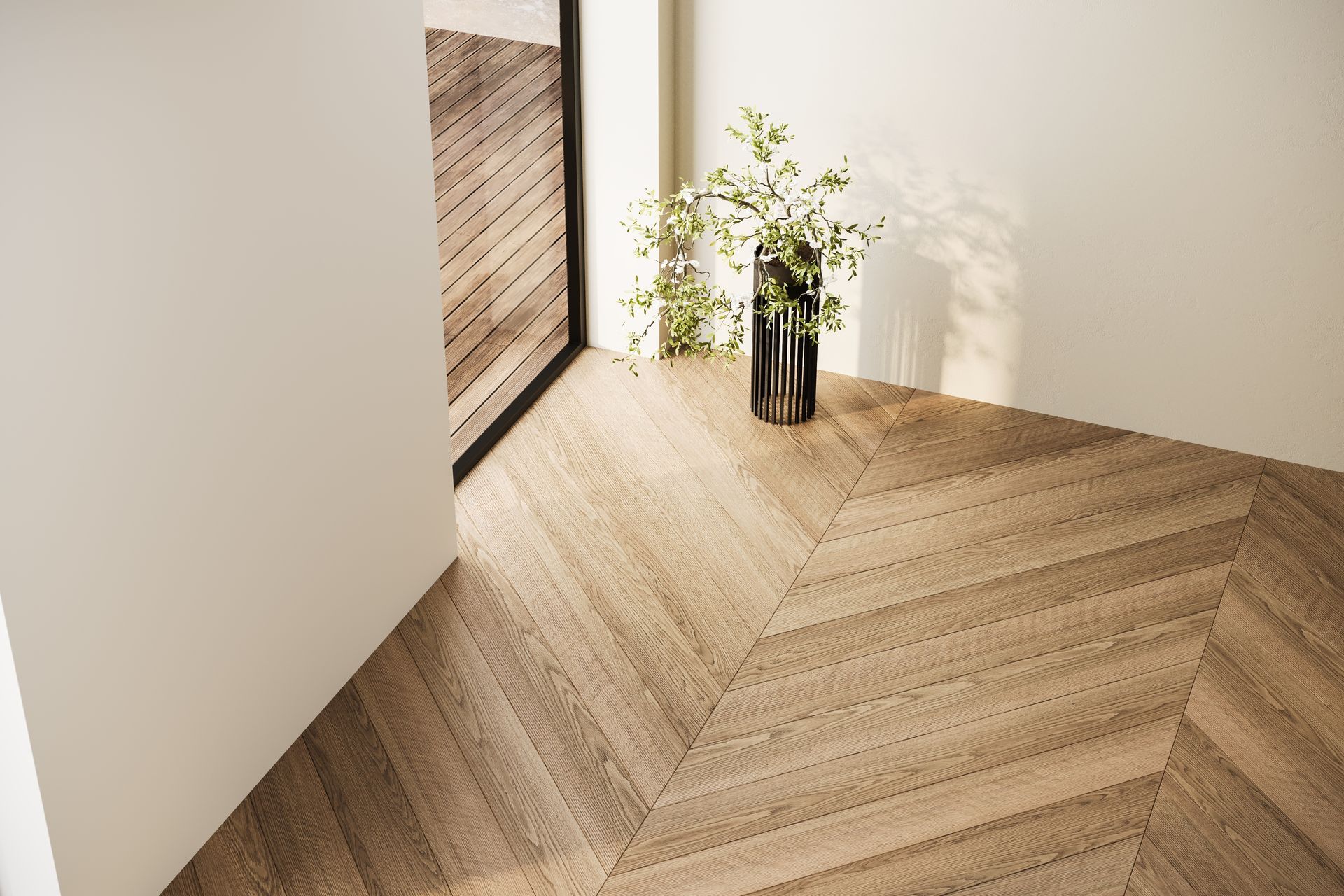
Why Flooring Matters in Complete Remodeling Work
When flooring installation happens alongside other remodeling work, the subfloor gets proper attention before anything goes down, which prevents the hollow spots and edge lifting that show up when flooring is installed over damaged or uneven surfaces. LVP planks lock together over a prepared subfloor and require expansion gaps at walls and transitions, which matter more in Kansas homes where seasonal humidity changes cause materials to expand and contract. Tile installation demands a flat, stable surface and proper thinset application, which means addressing any subfloor movement or damage before setting tile.
Once installation finishes, you notice that floors feel solid underfoot without flexing or gaps, transitions between rooms align without awkward height differences, and the flooring pattern flows logically through spaces rather than stopping abruptly at doorways. Prochaska Construction LLC coordinates flooring with trim work, door adjustments, and other finish details so everything fits together correctly the first time.
Flooring installed as part of a larger remodel also means fewer return visits and disruptions, since the work happens in a planned sequence rather than requiring separate scheduling for each trade. The contractor already knows the condition of your subfloors, wall alignments, and existing transitions, which eliminates guesswork and prevents the common issue of new flooring that doesn't quite match door clearances or cabinet heights.
Questions Before Starting Your Flooring Project
Homeowners in Lawrence and surrounding areas often ask about material choices, installation timing, and how flooring work fits into larger remodeling projects. These answers reflect over ten years of residential construction experience including flooring installation in Kansas homes.
What makes LVP and tile better choices than hardwood for Kansas homes?
Both materials resist moisture and handle humidity changes without the cupping or gapping that affects solid hardwood in climates with significant seasonal variation. LVP offers a wood appearance with better dimensional stability, while tile provides complete moisture resistance in kitchens, bathrooms, and entryways where water exposure happens regularly.
How does flooring installation work when it's part of a larger remodel?
The flooring gets installed after wall work, painting, and major structural changes are complete but before final trim and fixtures go in. This sequence allows for proper subfloor preparation, prevents damage to new flooring from other trades, and ensures transitions align with door frames and cabinetry that might have shifted during earlier remodeling work.
What happens to the subfloor before new flooring gets installed?
The existing subfloor gets inspected for damage, soft spots, and level issues. Any damaged sections are replaced, high spots are leveled, and low areas are filled so the finished floor sits flat and stable. This step prevents the flexing and noise that happen when flooring is installed over compromised subfloors.
When should flooring installation happen during a remodeling project?
Flooring typically goes in after drywall, paint, and cabinetry are complete but before final trim and door hardware. This timing protects the new floor from construction damage while allowing trim and transitions to be fitted properly to the finished floor height.
What maintenance do LVP and tile floors require after installation?
LVP needs regular sweeping and damp mopping with PH-neutral cleaner, avoiding excessive water that can seep into seams. Tile requires periodic grout sealing in wet areas and cleaning with non-abrasive products that won't dull the finish or damage grout joints.
Prochaska Construction LLC includes flooring as part of complete home updates that address multiple systems and finishes in a coordinated sequence. Request an on-site consultation to discuss material options and how flooring installation fits into your overall remodeling timeline.